
Case Studies
Overseas Expansion Services
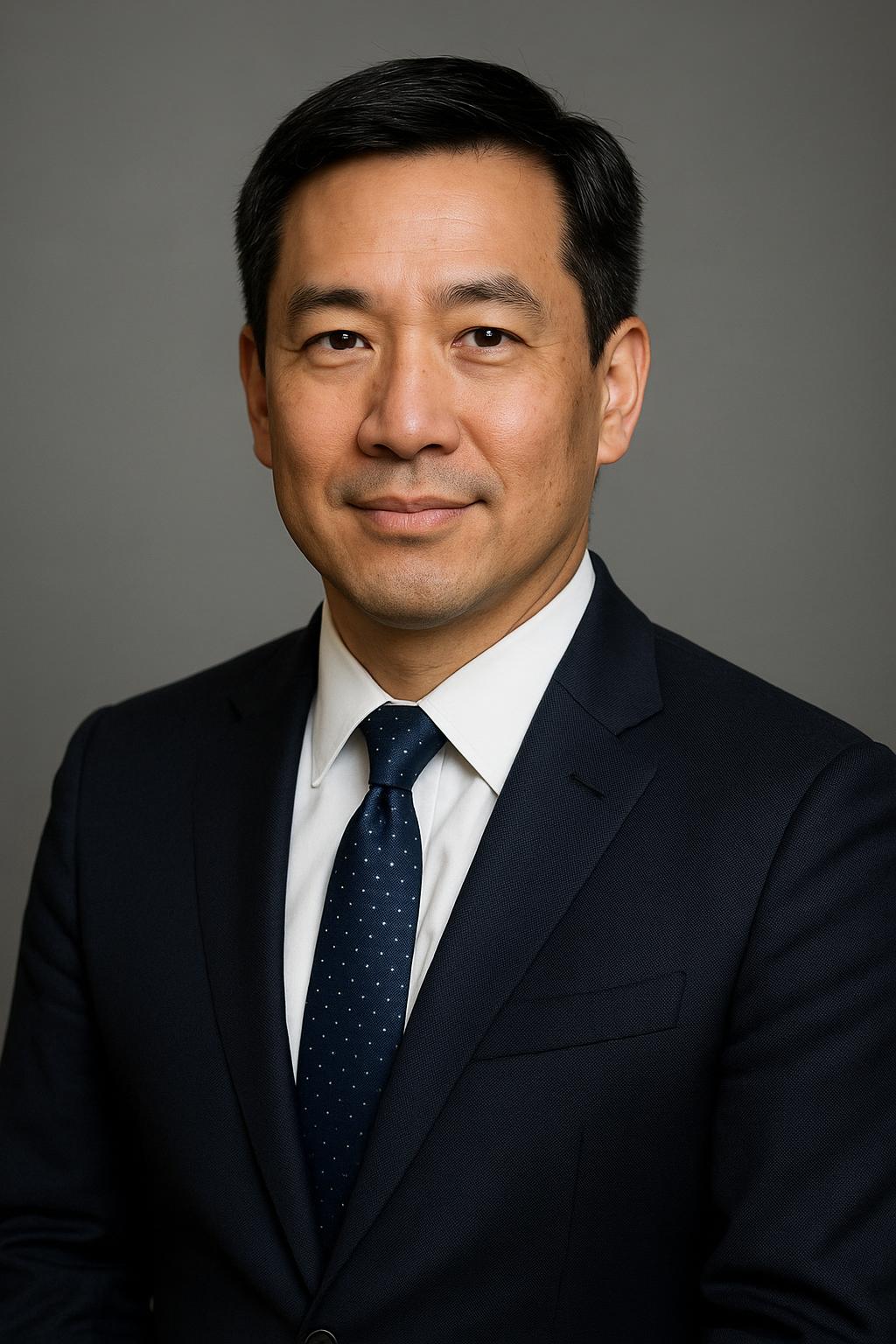
Doctor of Law
Professional Positions
- •Member of Tax and Trust Committee, Law Society of Singapore
- •Member of Foreign Affairs (China) Committee, Law Society of Singapore
Professional Experience
Mr. Shi is qualified to practice law in China, Singapore, and California, USA. He has extensive cross-jurisdictional expertise in cross-border investment, corporate governance, employment compliance, and tax planning for overseas expansion. He has served leading global enterprises across manufacturing, high-tech, pharmaceutical, and financial sectors, and provides wealth succession and offshore trust planning for ultra-high-net-worth Chinese families.
Representative Project Experience
- 1.Advised a leading Chinese medical supplies manufacturing group on manufacturing and import/export operations in Singapore, ensuring compliance with local regulations.
- 2.Provided legal services to a leading Chinese high-tech company for its Hong Kong IPO.
- 3.Advised a leading European pharmaceutical group on employment and labor matters in Singapore, ensuring compliance with Singapore labor laws.
- 4.Provided legal advice on Singapore tax system to a leading Chinese state-owned chemical manufacturing group, including corporate tax arrangements and cross-border tax analysis.
- 5.Advised a leading Chinese chemical manufacturing group on director appointment arrangements and tax residency status in Singapore.
- 6.Provided legal advice to a leading Singapore trading group during its equity financing process.
- 7.Provided legal support to a well-known US IT company on advertising compliance in Singapore.
- 8.Supported a leading European manufacturing company in M&A transactions for its Singapore subsidiary.
- 9.Advised a leading global payment clearing system on employment arrangements in Singapore, covering local labor law, employee secondment, and compliance.
- 10.Planned wealth succession and established offshore trusts for multiple ultra-high-net-worth Chinese families.
From Shenzhen to Singapore: Company A's Complete Overseas Expansion Journey
Introduction
Company A is a new energy technology company based in Shenzhen. As the domestic market became saturated, founder Mr. Zhang planned to expand business to Indonesia and Vietnam to capture the broader Southeast Asian market. During the planning phase, he raised a core question: 'Since the target markets are Indonesia and Vietnam, why establish a company in Singapore first?' This question became the starting point for Company A's overseas expansion planning and revealed Singapore's key role in regional investment architecture.
Chapter 1: Pre-Planning - Why Choose Singapore
Limitations of Direct Investment by Chinese Parent Company
Direct investment by a Chinese parent company in Indonesia or Vietnam appears simple but involves higher costs and risks. Indonesia and Vietnam impose strict approval processes for foreign capital profit repatriation, with dividend remittances typically subject to 25% or higher withholding tax, limiting capital flow. Local legal systems are complex with lengthy contract enforcement periods and inadequate dispute resolution mechanisms, increasing cross-border operational risks. If future plans include equity sales or investor introduction, transaction approval and tax treatment under direct shareholding structures become more cumbersome. In contrast, establishing a holding layer in Singapore enables comprehensive optimization in legal, tax, and fund management aspects while ensuring compliance and long-term flexibility.
Tax and Capital Flow Advantages
Singapore's tax system is renowned for simplicity and competitiveness, making it the preferred location for multinational enterprises to establish regional holding companies. Singapore has signed Double Taxation Avoidance Agreements (DTA) with both Indonesia and Vietnam. When Indonesian or Vietnamese subsidiaries distribute dividends to Singapore holding companies, withholding tax rates can typically be reduced to approximately 10%. Additionally, Singapore implements a foreign-sourced income exemption system—if dividends or profits received come from genuine operations and have been taxed at source, they can usually be accounted for tax-free, achieving 'net remittance' of profits. The corporate income tax rate is fixed at 17% with a single-tier taxation system where company dividends are tax-exempt. There is no capital gains tax, providing significant tax flexibility for subsequent restructuring, equity exits, and regional profit repatriation.
Singapore's Regional Headquarters Function
Singapore serves as the regional headquarters location for Southeast Asian multinational enterprises, featuring a stable legal system and open capital regime. By establishing a holding company in Singapore, enterprises can centrally manage overseas investments and financing while coordinating regional operations. Singapore's regional headquarters system facilitates unified group management, particularly in fund deployment, procurement, human resources, and brand licensing, improving overall operational efficiency and compliance levels. Its legal system follows common law with strong contract enforceability and mature arbitration mechanisms, providing high legal certainty for cross-border transactions. Singapore's financial system is transparent and open with concentrated international banks and investment funds, free capital movement, and flexible conditions for enterprise financing and reinvestment within the region.
Note: Realization of the above tax and legal advantages depends entirely on whether the Singapore company has tax resident status. If a company is only registered in Singapore but actual management remains domestic, its profits will still be recognized by Chinese tax authorities as offshore holding profits and taxed in China, and Singapore's tax benefits will not apply.:
Chapter 2: Company Establishment Phase - Registration and Compliance Setup of A Energy Holdings Pte. Ltd.
Company Registration Process
After completing preliminary structural planning, Company A decided to establish the holding entity A Energy Holdings Pte. Ltd. in Singapore. Company registration is supervised by the Accounting and Corporate Regulatory Authority (ACRA) of Singapore. The process generally includes company name pre-approval, submission of director and shareholder information, filing of Constitution, declaration of registered address, and registration of beneficial owners (Register of Controllers). During establishment, at least one director residing in Singapore must be appointed, and a company secretary must be appointed within six months of incorporation. If the controlling shareholder is an offshore legal entity, authenticated company registration documents and proof of equity are typically required to comply with anti-money laundering and beneficial owner disclosure requirements. Upon completion of registration, the company will receive a Unique Entity Number (UEN) before it can open bank accounts and conduct daily business.
Equity Structure and Governance Arrangements
Based on future regional investment plans, Company A positioned the Singapore holding company as the direct shareholding entity for Indonesian and Vietnamese subsidiaries. This structure achieves both tax efficiency for profit repatriation and centralized control of overseas assets. To ensure clear shareholder rights and efficient decision-making, the company simultaneously signed a Shareholders' Agreement and director appointment documents at establishment, clarifying shareholder voting mechanisms, financing obligations, and exit arrangements. At the governance level, the company established a board of directors with key matters requiring board meeting resolutions. Meetings should typically be held in Singapore, and major management and control decisions (central management and control) should be completed within Singapore to establish Singapore tax resident status. This arrangement is crucial for subsequently enjoying Singapore tax benefits and double taxation agreement treatment.
Bank Account Opening and Fund Management
Singapore banks implement strict compliance reviews for foreign enterprise account opening. Banks typically require company registration documents, business plans, director identity proof, and fund source explanations. If the parent company is located in China, banks will also focus on cross-border fund sources and transaction paths. A Energy Holdings Pte. Ltd. established a local bank account to uniformly receive profit distributions from Indonesian and Vietnamese subsidiaries and subsequent investment funds. This account is also used for intra-group settlement and foreign exchange management, ensuring fund flows comply with anti-money laundering and tax transparency requirements (such as OECD CRS disclosure standards).